 Capitolia
Amsterdam, sixteen thirty-seven. A flower is worth a house.
A single tulip bulb sells for ten thousand guilders.
For the same price, you could buy a fine house on a canal.
A skilled craftsman earns about three hundred guilders a year.
Thirty-three years of work. For one bulb.
Why a flower?
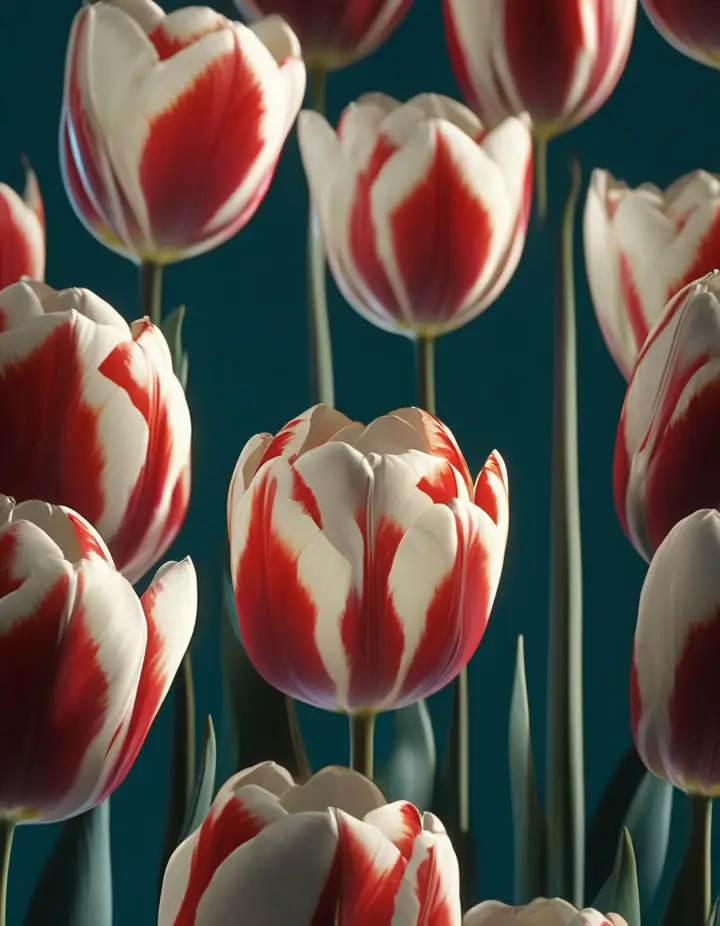
Because it was new, rare, and a virus streaked its petals in unpredictable ways.
Every streaked bulb was unique. And nobody knew how to reproduce it at will.
At first, prices rise for an honest reason: there are more buyers than bulbs.

In the app, this chapter is animated and narrated, card by card. Start free trial.
Download on theApp StoreThen something changes, and that's the whole point of this chapter.
People stop buying tulips to plant them. They buy them to resell them.
From then on, the price has nothing to do with the flower.
It depends on just one thing: will someone pay more tomorrow?

In the winter of sixteen thirty-six, you can't even see the bulbs anymore.

They're in the ground. People trade written promises in taverns.

People with no money buy flowers that don't exist yet.
February sixteen thirty-seven. In Haarlem, a sale finds no buyer.

One missing buyer. That's all it took.
Within weeks, prices lose almost all their value.
Those holding promises end up with paper and onions.

But this isn't a story about tulips.
It's a pattern: it rises because it rises.
And it falls the day the last buyer doesn't show up.
It came back in nineteen twenty-nine, in two thousand, in two thousand eight.
Every time with a different object, and every time with the same sentence:
This time it's different.

The test is one question: why is this thing worth this price, other than the fact that it was rising yesterday?