 Capitolia
You buy a stock. What do you actually own?
Most people say: something that goes up and down.
That's wrong. And that mistake explains almost every bad decision.
Take a bakery. It's worth three hundred thousand euros.
It's cut into three hundred thousand equal shares.
So each share is worth one euro.
You buy a hundred.
You own a three-thousandth of the bakery: walls, an oven, customers.
And a three-thousandth of what it earns.

In the app, this chapter is animated and narrated, card by card. Start free trial.
Download on theApp StoreThis year, it makes thirty thousand euros in profit.
Ten euros come back to you.
Ten euros on a hundred invested, and the share price hasn't moved a cent.
That's where a stock's return really comes from: not the price, but the work of the people inside.
Multiply by five hundred companies, and you get what's called the market.
Each one sells, invoices, pays its people. Every day, whether you're watching or not.
That work, added up, makes the curve from the first chapter.

So why does the price move all the time?
Because the price isn't the value of the bakery.
It's what someone will pay today for your share. Only today.
That price depends on mood, news, fear.
Meanwhile, the bakery keeps selling bread.
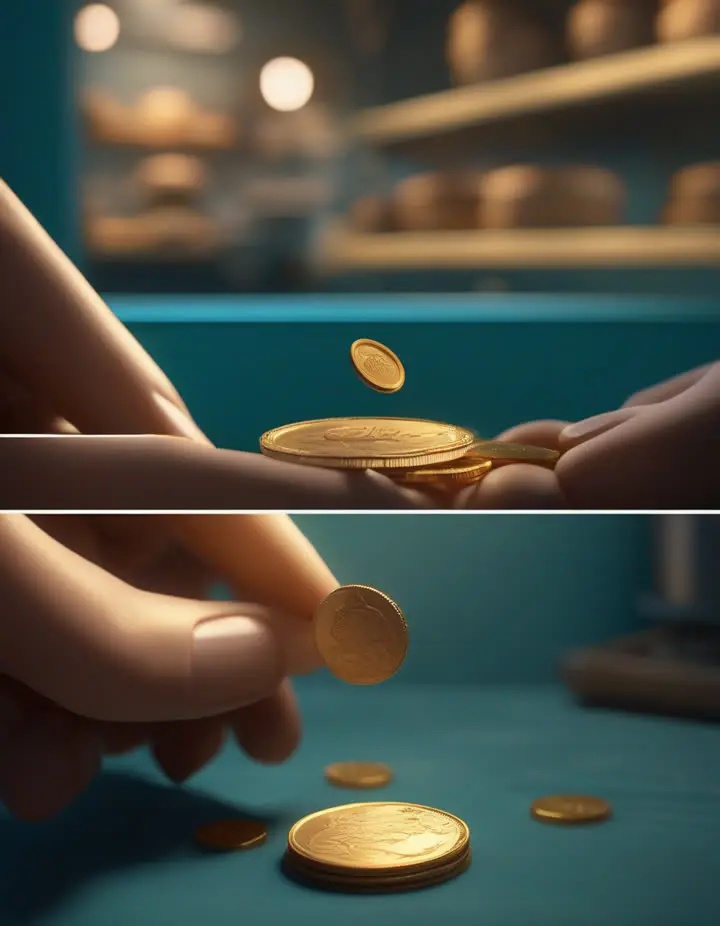
You get paid in two ways.
First, what the company pays you: the dividend.
Then, what it keeps to grow, which makes your share worth more.
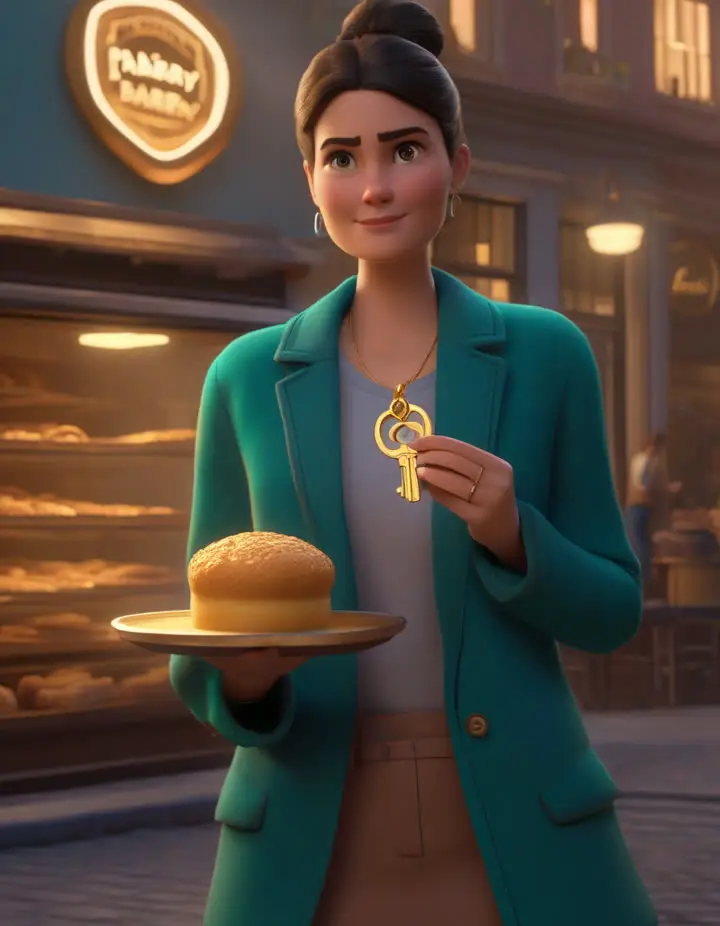
Buying a stock means becoming a tiny owner.
Not a gambler. An owner.

If you wouldn't want to own the whole company for ten years, don't buy a piece of it.