 Capitolia
The only financial product you buy hoping never to use it.

Ten thousand people pay. Only one hundred will receive anything.
The claim, when it comes: twenty thousand euros.

That is the whole principle. Many pay so that the few who are hit are covered.
One hundred claims at twenty thousand euros: two million to pay over the year.
One insured in a hundred. The other ninety-nine pay and receive nothing.
Two million shared among ten thousand: two hundred euros each.
That is the pure premium. It pays claims only: not the offices, not the assessors, not the margin.
With thirty per cent of costs, the real premium: two hundred and sixty euros.

In the app, this chapter is animated and narrated, card by card. Start free trial.
Download on theApp StoreSixty euros more than what you receive on average. Every year.
And that is normal. The other way round, the insurer would fail. You are not buying a gain.
You are buying this: one claim is worth seventy-seven years of premiums.

A small certain loss, traded for an enormous uncertain one.
Hence the only rule that holds. Insure what would ruin you, and nothing else.
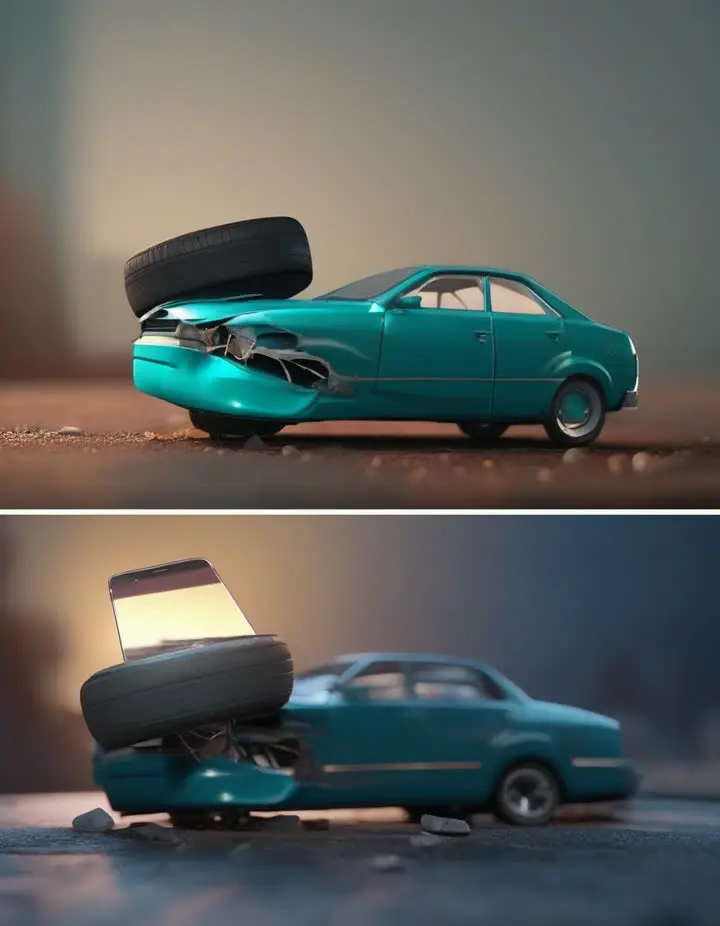
A phone worth eight hundred euros will not ruin you. Harm you cause to someone else will.
The excess: the part of a claim that stays yours. One hundred and fifty euros, say.
It hands the small claims back to you. Those are exactly the ones you could pay.
Higher excess, lower premium. It is the same trade-off, tuned more finely.

Third idea. Without uncertainty there is nothing to insure.
A boiler wearing out is not a hazard. It is a certainty waiting its turn.
Nobody insures a certainty. It is then called maintenance, and it is paid at cost.
Last idea, and the slipperiest. Who takes out dental cover?
Claims therefore rise faster than expected, and the premium has to follow.
Each rise drives out the least exposed. And each departure forces the next rise.
That is why you are asked questions, and why some insurance is compulsory.
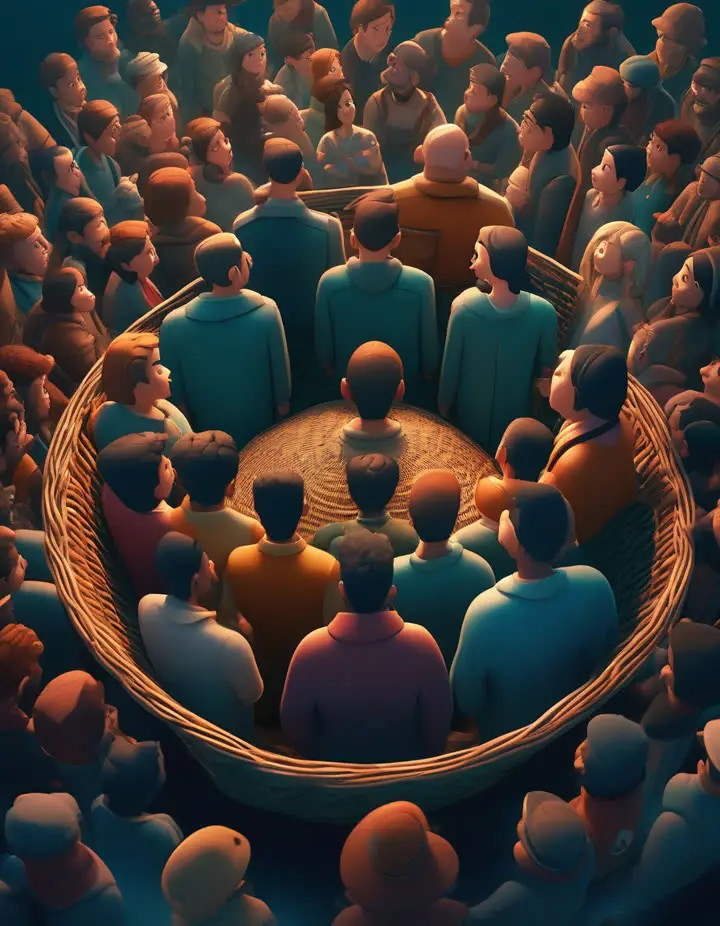
The obligation is not a punishment. It is what puts everyone back in the same pool.